The trap of believing everything (or verifying nothing)
We’re making more and more decisions based on information no one has verified. At the IESE-Esade Marketing Research Camp, we asked how this erodes the value of information and why it’s so hard to fix.
Every time you look up a restaurant or ask ChatGPT for something, you’re making a decision based on information almost no one has verified. That, in itself, isn’t new. What has changed is the scale: influencers shape purchasing decisions at a speed that would have seemed exaggerated ten years ago, and generative AI has added a variable that’s even harder to track — machines producing content with the same cadence and the same convincing tone as any human.
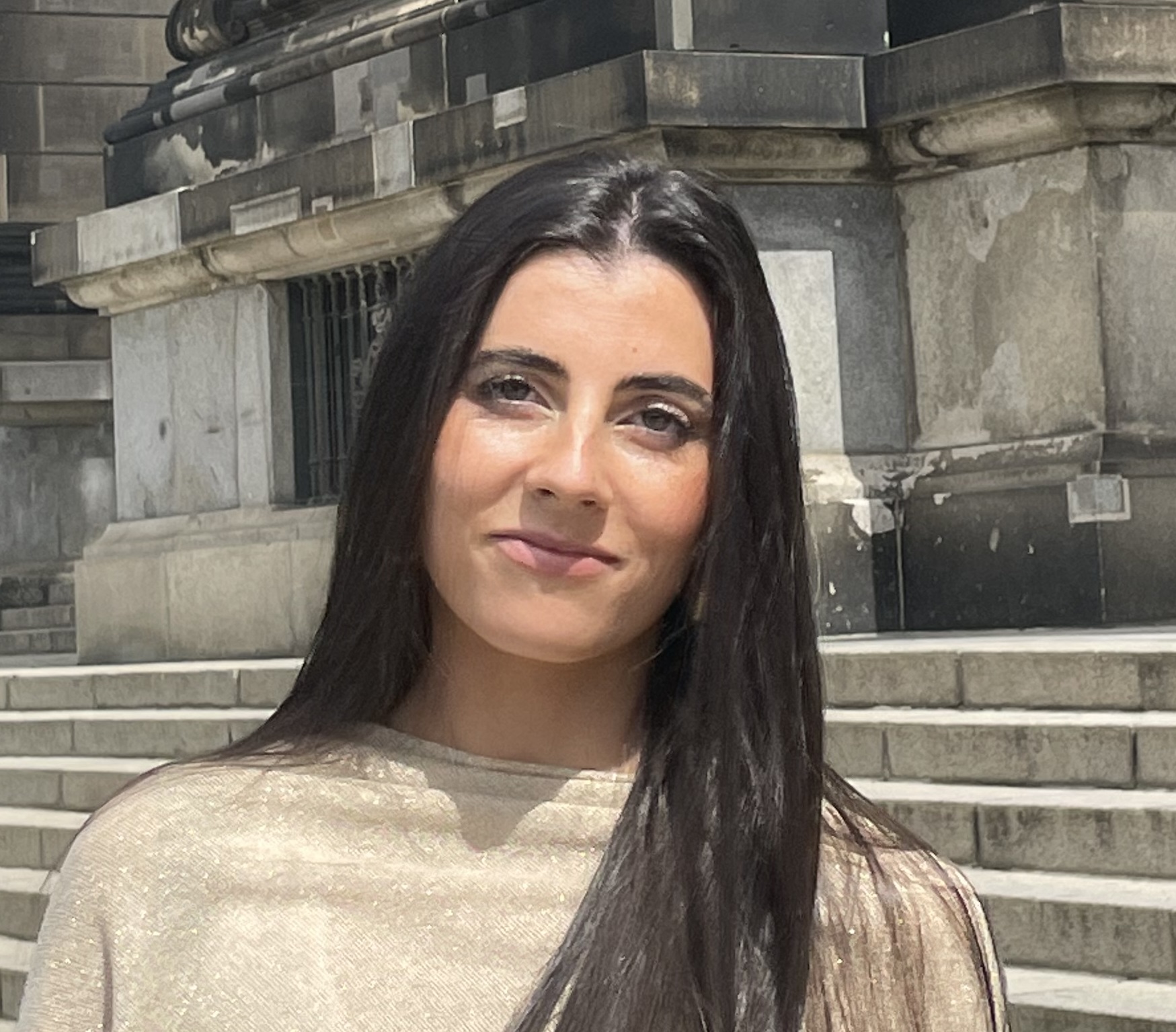
Ana Valenzuela, full professor in Esade’s Marketing Department, has spent years observing this shift from within academia, where she leads a research group on Marketing, Technology, and Digital Environments. Her diagnosis is direct: "Most of what gets shared online isn’t based on rigorous methodology. It’s important to know how the data was collected before trusting any conclusion." And she adds something that leaves little room for optimism: "No one checks whether what’s published is actually true."
It was Valenzuela who organized the IESE-Esade Marketing Research Camp 2026, precisely to showcase research that rigorously documents this, among other things. Two Esade researchers have been working on studies that, from different angles, arrive at the same territory she describes.
When AI makes the truth look expensive
Rui Sun has long been studying a question that, put this way, sounds almost philosophical: if you have free access to an AI that gives you an answer in seconds, how much would you be willing to pay for a verified source telling you the same thing?
The answer she’s found, across seven studies with very different participant profiles — from people with no specialized training to MBA students and industry professionals — is discouraging: very little. Or nothing at all.
The mechanism is more subtle than it looks. It’s not that people think AI is more reliable than verified data. In fact, participants in her studies could tell when an estimate was more or less accurate. The problem is that easy access to AI-generated answers creates a sense of sufficiency: I already have something, why pay for something better? Sun calls it a paradox: artificial intelligence democratizes access to predictions, but in doing so it erodes the incentive to invest in quality information. Companies and professionals who historically paid for rigorous data are starting to settle for fast estimates that are cheaper but less reliable.
The implications go beyond the individual. If no one is willing to pay for verified information, the markets that produce that information weaken. And that benefits no one, not even those using AI as a substitute.
The reviews that change their mind
Martina Pocchiari has dedicated herself to studying something platforms have made possible for years but that almost no one had examined in depth: what happens when someone goes back to a review they wrote weeks or months ago and edits it.
To do this, she analyzed more than 16 million reviews from 30 different digital platforms, and supplemented that data with a large-scale experiment in which more than 700,000 users received, at different times, a notification inviting them to update their rating. The results reveal something that runs counter to how we usually think about online reviews.
The first finding is that updating happens far more often than assumed. People revisit their opinions, add context, correct mistakes, wait for a situation to be resolved before giving a final verdict. The second is more interesting: when someone edits a review, the language turns colder. Less emotional. More reasoned, in theory, but also less useful for anyone seeking genuine guidance. Pocchiari calls this phenomenon “affective cooling”: the initial anger and enthusiasm fade, leaving behind a more neutral opinion that doesn’t necessarily reflect the real experience any better.
This has direct consequences for the reputation of companies and products, and also for platforms, which can design their notification systems to trigger more or fewer updates depending on what suits them. Design, in other words, is not neutral.
Same problem, two faces
What connects Sun’s and Pocchiari’s work isn’t the topic, but the underlying question: how much can we trust the information we consume online, and whose responsibility is it to make it trustworthy?
Valenzuela believes that responsibility falls, above all, on the platforms. “The goal should be for them to verify sources the way journalism does,” she says. It’s a standard no platform currently meets systematically, and one that the expansion of artificial intelligence makes more urgent, not less.
Meanwhile, as consumers we navigate an environment where information is abundant, accessible, and, far too often, impossible to verify. We know not everything we read is true. We know it, and we keep reading anyway.