The business of surprise: Can Labubu sustain its global appeal?
Blind boxes have turned Labubu into a global sensation driven by surprise and scarcity. But can a business built on anticipation sustain its appeal at scale?

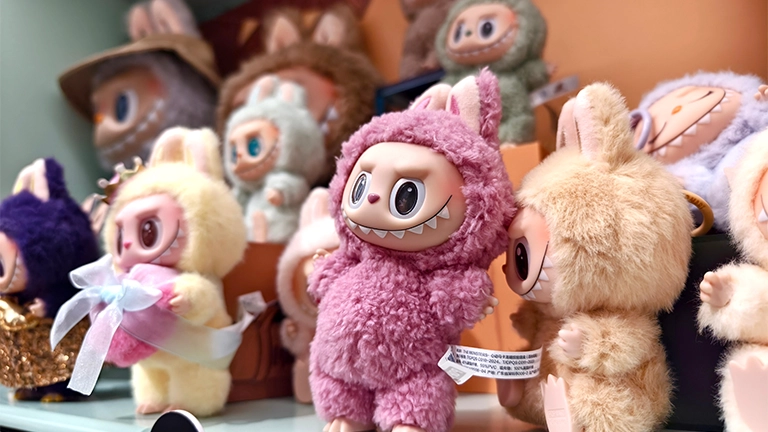
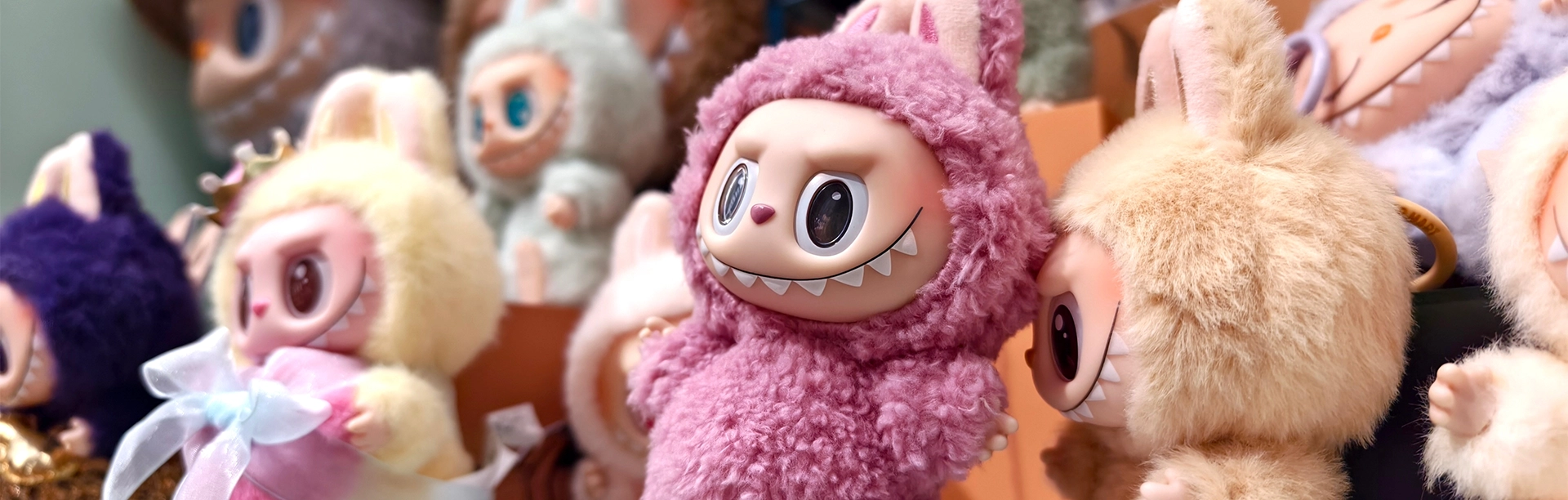
Millions of online viewers wait in anticipation as a content creator prepares to open a small box. Suspense builds. What is inside? For these dedicated fans, the hope is that the box contains a ‘Labubu’ doll — an ‘ugly-cute’ collectible from Chinese toy company Pop Mart, sold in so-called blind boxes, where buyers do not know which figure they will receive until they open it.
The appeal lies in the reveal. Some figures are rare, others common, but every purchase offers excitement. This has customers queuing around the block to buy the dolls, as well as millions watching ‘unboxing’ videos online.
David López López, Associate Dean of the Full-Time MBA Program at Esade, analyzes the ‘Labubu craze’ from a business perspective. The brand now faces a strategic challenge: can it remain popular if it shifts up a gear to operate globally?
From toy to cultural algorithm
Pop Mart was founded in 2010 and initially sold various novelty products before changing its business model to focus on creating and owning its own characters. This intellectual property model gave Pop Mart autonomy over design and distribution and allowed it to grow emotional engagement from its customer base.
The now-famous Labubu doll is part of ‘The Monsters’ series developed with artist Kasing Lung. López explains, “Each purchase is part toy, part experience,” built around anticipation and reaction rather than the object itself. It’s not the product that drives this brand’s success as much as it is the moment of opening the box.
Pop Mart’s products are designed for repeat engagement. “Pop Mart is not simply selling toys,” López notes. “It is orchestrating a system where design, distribution, and emotion reinforce each other.”
The company creates anticipation through limited releases, collaborations with famous artists and influencers, as well as the use of specialized ‘Robo Shop’ vending machines. The pre-hype is akin to that drummed up by fashion brands. The whole journey towards buying a Labubu doll is a cultural event shared by Labubu’s army of fans. The journey never ends, and consumers return again and again to buy more.
This business strategy has helped transform Pop Mart from a niche retailer into a global brand operating in more than 30 countries, with revenues from blind boxes and original characters reaching around $1.8bn in 2024.
The psychology of watching and wanting
The Labubu phenomenon works because of psychological effects. An unopened box heightens anticipation; finding out what’s in the box delivers either excitement or disappointment. After this, consumers tend to share the results, which keeps the narrative alive beyond just the individual buyer.
Labubus are collectible, and purchasing one is part of a social ritual often shared on social media. That way, a secondary reward is the visibility and validation created online. As López highlights, “The value lies less in the object than in the experience of hunting, acquiring, and sharing it.”
“The emotional peak is not ownership,” he says. “It is the moment before and during the reveal.” In this sense, the model borrows from gaming and digital platforms, where uncertainty and reward are carefully calibrated to sustain engagement.
When scarcity meets global demand
But when scarcity is the driving force behind a brand’s success, how can a business increase production and expand further globally? Limited editions and rare figures risk losing their exclusive status.
However, keeping supply too limited can frustrate consumers and constrain growth.
“This is a crucial consideration,” López says. “Scarcity creates value, but scale requires availability.” As Pop Mart enters new markets, it must navigate different consumer expectations while preserving the sense of rarity that defines the brand.
Regulation, cultural friction, and sustainability
Blind-box marketing has garnered criticism from regulators, particularly around its resemblance to gambling-like mechanics. The element of chance, combined with repeated purchases, raises concerns about addictive behavior, especially among younger consumers.
The scalability of this model may face challenges in markets outside of China due to cultural differences. Blind-box collecting is mainstream in China, but not so well known in Western markets, where consumers may be less excited to buy gimmicky plastic toys, and more skeptical of parting with cash for unknown outcomes.
Thus far, it might be a successful business strategy, but from a sustainability perspective, it’s questionable. There are impacts rippling far wider than the unboxing moment. Repeated consumption of small, individually packaged plastic figures, combined with frequent new releases, results in significant material use.
Environmental analysis suggests that this approach can generate significant waste, from single-use packaging to surplus production driven by uncertainty in demand. The global distribution of these products, often shipped individually or in small batches, also contributes to a growing carbon footprint.
Can Labubu outgrow the unboxing moment?
Pop Mart executives, considering scaling the brand, face the difficult task of ensuring the novelty value of unboxing doesn’t fade if Labubu dolls start to appear more frequently.
An investment in storytelling and character development could help maintain the appeal of Labubu, essentially turning it into a more traditional intellectual property with a narrative world. Another tactic could be to build stronger communities around the brand, extending engagement beyond individual purchases. Digital formats may also offer ways to replicate the experience without the same material costs.
“The key question is sustainability, not just in environmental terms, but in emotional terms,” López says. “Can the brand maintain interest once the mechanics are understood?” Moving from short-term excitement to long-term attachment will require a different kind of value creation.
How to scale without being too mainstream?
The fact that Labubu is so successful demonstrates how today’s consumer culture values not only the product but also the emotional experience of seeking it out, and the community that has formed around it. Unwrapping a gift is no longer something done only in the presence of close friends and family — it’s a form of entertainment and a driver of demand.
To sustain the public’s attention, Pop Mart will likely need to redefine what its customers are buying into. The scarcity of Labubu dolls and the secrecy surrounding the closed box may not be enough once the box is open. Pop Mart will have to tread a fine line between nurturing the current emotional aesthetic and not oversaturating the market.