
From stage to strategy: What Taylor Swift reveals about the future of marketing
What can brands learn from Taylor Swift’s record-breaking success? Her ability to deliver consistent yet reinventive storytelling, create premium value out of abundance, and nurture an engaged community offers a powerful marketing model.

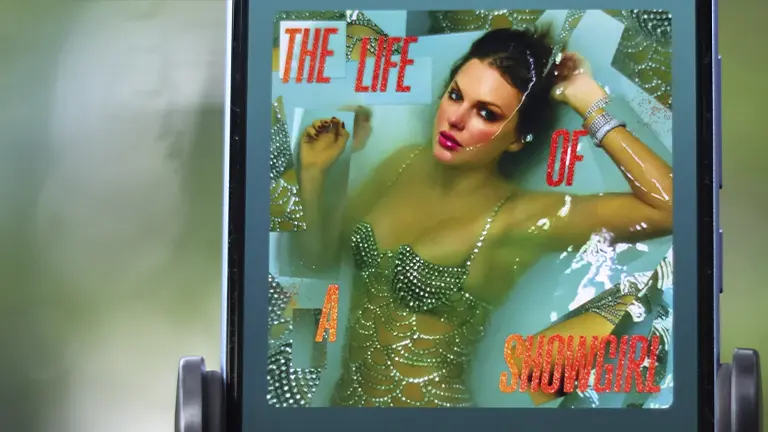
‘The Life of a Showgirl’ appears to be very lucrative. The latest album from Taylor Swift broke her own single-day streaming record on Spotify and sold 1.2 million vinyl copies in the United States within just one week—another record. But Swift is far more than a showgirl, and the new album is not merely music but a key element in a larger brand marketing strategy, with Swift herself as the brand. The entire package creates a successful business ecosystem.
Writing in Forbes, David López-López, Professor of Marketing and Associate Dean of the Full-Time MBA at Esade, emphasizes the lessons marketing leaders can learn from the US star.
The album as a brand ecosystem
Swift has created a striking visual identity for each chapter of her career. This time, the vinyl album is a bright Portofino orange with glitter, produced as a limited edition. As a marketing strategy, it works. The orange theme was used for the album artwork, stage designs, and across social media, as millions of fans—known as ‘Swifties’—celebrated the new release. Other brands joined in, too: Dunkin’, FedEx, and X temporarily turned their branding orange and glittery to align themselves with Swift’s cultural moment.
Long-term value comes not from isolated launches, but from ecosystems where each element amplifies the next
The broader impact of the Taylor Swift brand is felt wherever she tours. Local GDP growth in some US cities during her Eras Tour exceeded 1 percent, reflecting the spending power of the thousands of fans who travel to see her perform. The tour generated over $5 billion in consumer spending in the US within six months. Local hospitality providers saw a surge in demand, and digital content consumption also spiked. Some mayors even declared ‘Taylor Swift Weekend’ or ‘Taylor Swift Day’ to recognize the artist’s remarkable economic impact.
This level of success doesn’t come from a single product. Swift has carefully constructed a brand ecosystem—an interconnected network of music, merchandise, live events, and storytelling that reinforces her identity at every interaction. For brands, there’s something to be learned here: long-term value comes not from the pomp of isolated launches, but from ecosystems where each element amplifies the next.
The power of reinvention
“Consistency from a brand builds trust,” says López-López, “but to remain relevant, reinvention is key.” Swift’s genre has shifted with the times. She began as a country-pop artist, moved toward folk and indie with Folklore and Evermore, and has now returned to an energetic pop sound reminiscent of 1989. This capacity for renewal—without losing authenticity—ensures that followers remain loyal and engaged.
Similarly, legacy artists like Madonna have sustained cultural relevance through continual reinvention. The key is evolution, not abandonment: Swift and Madonna both adapt their image and music to the moment while maintaining the core narrative that fans recognize. This doesn’t only work in the music industry—business leaders can apply the same principle; retain the brand’s essence while evolving its expression to satisfy a changing market.
Scarcity in the age of abundance
In a world where streaming platforms connect us to music whenever we want, Swift has revived the concept of scarcity. The Life of a Showgirl was released in multiple vinyl variants and limited digital editions. This made the album highly collectible in a digital-first economy. The record-breaking album sales prove that the strategy works.
Consumers love exclusivity. But Swift’s fans don’t just consume; they collect. For companies, this shows how premium value can be created even in saturated markets. Limited product runs, personalized editions, or exclusive access can elevate perception of a brand and deepen emotional attachment, especially among younger consumers who value experiences and identity as much as utility.
Fandom as a marketing channel
Perhaps Swift’s most powerful marketing asset is her online community. Her fans don’t just follow—they participate. She elicits this behavior through cryptic clues, countdowns, and hidden ‘Easter eggs’ before each release. This participatory marketing model generates billions of organic impressions, making her community one of the most efficient media networks globally.
Standout brands build experiences that make people want to belong
As López-López explains, Swift’s “community generates reach and engagement far greater than any paid media campaign could buy.” This isn’t traditional top-down advertising, but a shift to community-driven marketing, where the audience becomes an extension of the brand team. For organizations, there are rewards to be reaped from nurturing active communities. A transparent brand that encourages participation and cultivates shared values can transform customers into advocates.
Cross-sector partnerships and audience expansion
When promoting The Life of a Showgirl, Swift increased her audience in an unexpected way—by announcing the album not on a music platform but during New Heights, the sports podcast hosted by NFL player Travis Kelce and his brother. By revealing the new release to a group of sports enthusiasts, she reached a new demographic of potential fans.
The fact that Dunkin’ and other brands adopted her signature orange color palette proves that the momentum she creates invites collaboration from unrelated sectors. Brand leaders for any business should look outside of their usual audiences. Strategic partnerships beyond the core sector can open doors to entirely new audiences and conversations.
Own your story
The control Swift has over her brand is a defining feature of its success. After re-recording her early albums to regain ownership of her music, she became one of the few global artists who fully possess their creative and commercial output. So now, her autonomy permits her to decide how, where, and when her music is used. She controls pricing, product design, and messaging.
Owning the narrative is not limited to artists. Businesses that want more control of their brand can take steps to control intellectual property, data, and brand storytelling. This provides a long-term strategic advantage. It means reduced dependency on intermediaries, and it reinforces credibility in the eyes of consumers, which is a win in a world where authenticity and transparency are valued.
The marketing playbook
Swift’s brand marketing isn’t failsafe. Some fans may not be so engaged that they wish to receive clues to decode, ‘Easter eggs’ or hidden messages—it could all be rather tiring. The effort required to manage multiple formats and exclusive editions adds to the complexity of operations. But, overall, this strategy is successful at sustaining fans’ excitement and emotional investment.
The rewards are indisputable: off-the-scale streaming figures, record-breaking physical sales, and cultural influence most corporations can only dream of. Her business model—blending emotion, community, and ownership—is a blueprint for modern brand strategy.
Marketing executives can take a lesson from The Life of a Showgirl. Capturing and maintaining the audience’s attention in a fragmented and fast-paced world is achieved by creating meaning and belonging. Visibility alone isn’t enough. As López-López concludes: “The brands that thrive won’t be the ones making the most noise, but the ones building experiences that make people want to belong.”