

Growing up between two cultures to lead in all of them
Joanna Wong has spent years crossing borders and switching industries without waiting to have all the answers. Here she breaks down what it means to lead in vastly different contexts — and why staying put always costs more.
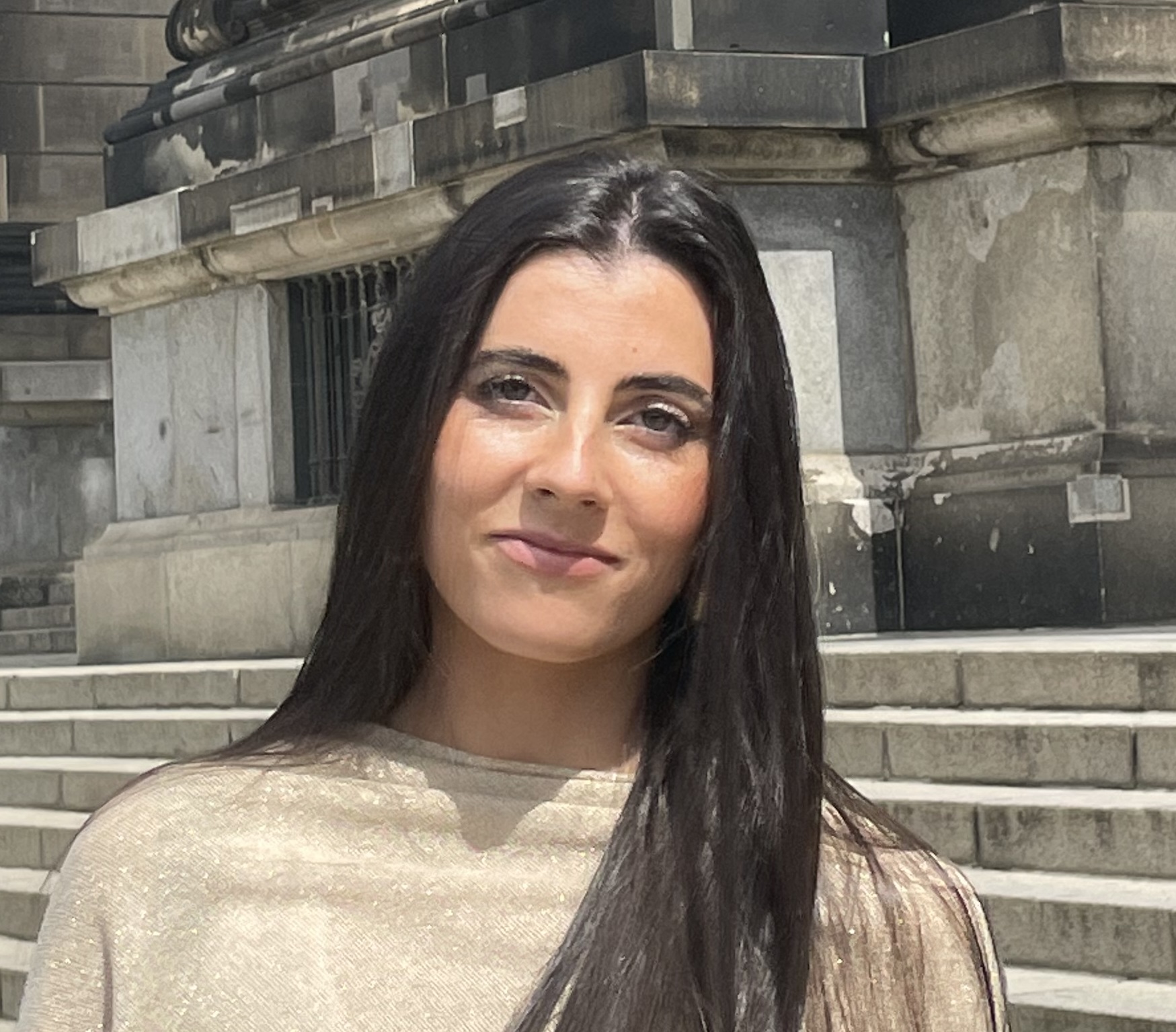
Joanna Wong grew up in New York with two simultaneous soundtracks: Cantopop at home, Friends on TV, Chinese New Year celebrations and Thanksgiving traditions side by side. What she experienced as a child was a kind of identity puzzle she now describes as her greatest competitive advantage.
"That background allows me to translate strategies from a US headquarters into something that genuinely resonates with teams in Asia," she says. "But it also made me very aware of what I call the career confidence gap."
It's the concept that drives much of her work: the gap between what someone is capable of doing and the permission they feel they have to do it. Joanna has seen it up close in high-performance cultures across Asia. "I've seen brilliant managers stay in comfortable roles long after they've outgrown them, simply because the environment rewards predictability over bold moves."
Barcelona as a turning point
Some decisions only make sense if you're more afraid of stagnating than of swimming against the current. Joanna had a stable job in New York and a promising career. Anyone's dream, really. And yet she left it all behind, boarded a flight to Barcelona and enrolled in the MBA at Esade.
"I didn't come to get a degree. I came to understand how people who are nothing like me think," she says. What she found was a community that gave her something harder to study than any course: a shared language for navigating contexts where the unwritten rules shift depending on the country, the culture, the room. The deepest change, however, wasn't intellectual. It was confidence. "It gave me the security to move between continents knowing I had the methodology to back up my ambition."
And that network didn't stay in the classroom. "My Esade community isn't a list of professional contacts. They're friends spread across the world who give me perspectives I'd never have on my own."
Leaving the script behind
Barcelona was just the first stop. Then came Germany. Then Asia. Always without a safety net, always without a signed contract waiting on the other side.
What followed was Spotify, where she led business marketing across the entire APAC region. And later, Meta. In those companies she learned something you can only learn by being there: that leading in Asia demands a completely different style from New York. "I had to adapt the way I lead. To create space for voices that in other cultures don't typically raise their hand even when they have something important to say." Step by step, she built what she calls cultural intelligence. And she discovered, almost by accident, that her greatest satisfaction didn't come from quarterly results. "It came from the 1-on-1 sessions where I watched someone on my team grow. That's what gave me the clarity to take the next step."
The hardest step
The next step was the most radical. Joanna left the corporate world to build something of her own: Chasing Waves, a career podcast and coaching platform for professionals who feel like they're waiting — for the perfect moment, the right context, the permission no one is ever going to give them.
"The worst thing that can happen isn't that something goes wrong," she says. "It's that the years go by and you're still in waiting mode."
The formula she proposes isn't empty self-help. It's very practical. "I can be flexible on title or salary. But I don't negotiate on believing in what a company is building. Knowing what you won't move on gives you real freedom to be flexible with everything else."
She's lived it herself. When she returned to Asia intending to settle in Hong Kong, things didn't go as planned. "I learned that feeling culturally connected to a place doesn’t automatically make it the right place to build a career." She made her move to Singapore and landed at Spotify. She tells it now as an example of what she preaches: a failed plan isn't a failure, it's a signal to pivot.
Courage with a plan
What stands out most about Joanna Wong isn't the trajectory — which is, in every sense, extraordinary — but the coherence between what she says and how she's lived it. She doesn't talk about courage as something you either have or you don't. She defines it differently:
"Being brave isn't about not being afraid. It's about having a plan that's better than your panic."
And really, there's nothing more to add.